Need pest control in Bremerton?
Send a quick request through the form, or Request a callback to check provider availability. Tell us what you found, and a local provider in our network can follow up with next steps.
No obligationRequest an estimate from local providers
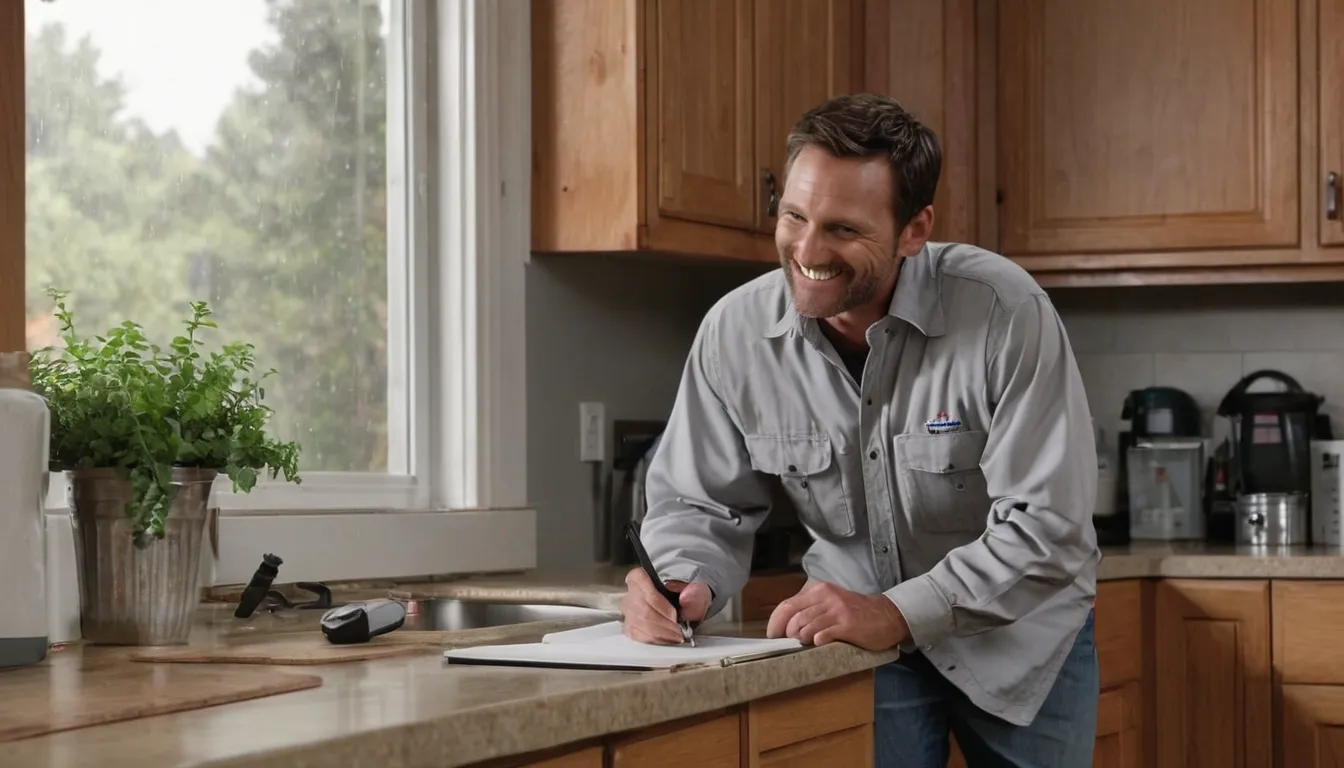
A few ants on the counter can be a quick wipe-and-seal job. A steady trail, droppings in the pantry, or bites you can't explain is different. That's when a trained provider earns their fee, because they find where the pests live, not just where you spot them.
Outdoorcheaper Pest Control is a referral service. We don't do the treatment. We connect homeowners in Bremerton and the Bremerton area with independent providers in our network. You describe the problem, compare estimates, ask your questions, and decide with no obligation. This page walks you through what you can try yourself, what a provider covers, and how to protect your house along the way.
You probably searched exterminator near me because something is crawling, scurrying or buzzing where it shouldn't be. Take a breath. Most pest problems have a clear cause, and you can start sorting it out in ten minutes with a flashlight.
Walk the kitchen, bathrooms, garage and crawl space entry. Look for droppings, chewed packaging, shed skins, mud tubes, or tiny dark spots on bedding. Note where you see activity and when. A photo of the pest helps a provider a lot.
Some steps cost little and make any treatment work better.
These steps slow pests down. They rarely end an active infestation.
Stop and compare providers if you see any of these signs:
Over-the-counter sprays can also scatter ants and roaches into new rooms. Spreading them out makes the next treatment harder.
Pests don't just annoy you. Mice chew wiring and insulation. Carpenter ants and termites go after damp or soft wood. Roaches leave droppings that trigger allergies. Each one can turn a small fix into a repair bill.
In a region with a long wet season, steady rain and lots of moss, moisture is the open door. Wood-frame homes, crawl spaces and older craftsman houses give pests plenty of places to hide. Catching the problem early protects the structure and your resale value, since a buyer's inspector will note pest damage.
Residential pest control usually starts with an inspection. The provider checks the interior, the exterior, the foundation and often the crawl space or attic. Then they explain what they found and how they plan to treat it.
Treatment can include baits, gels, targeted sprays, dusts for wall voids, and sealing or exclusion advice. Many providers also treat the outside perimeter, since that is where many pests enter. Ask for a written plan that names the pests, the products and the follow-up.
Ants often follow moisture, so a leak under the sink may be the real cause. Roaches hide in warm, dark gaps. Spiders usually follow the insects they eat, so treating the food source helps.
Light rodent activity in a pantry can fit into a general visit. Nesting in walls, attics or crawl spaces is a bigger job. Heavier rodent and wildlife jobs have their own service, so ask the provider which one fits.
Bed bug treatment is not a spray-and-go job. Providers often use heat or a multi-visit plan, and you will have prep work like laundering and bagging items. Don't move furniture to other rooms, because that spreads them.
If you spot mud tubes or discarded wings, that's a separate termite treatment. Mention it to the provider right away.
It's smart to ask. Ask the provider which products they plan to use, where they will apply them, and how long people and pets should stay out of certain areas. Many treatments use baits and crack-and-crevice placement, which keeps products away from open living space.
Tell the provider about kids, pets, aquariums and anyone with asthma or allergies. Read any label or sheet they give you, and keep it for your records.
A one-time visit can fit a single, clear problem, like a wasp nest or a short ant run. An ongoing plan, often quarterly, fits homes near wooded lots, damp crawl spaces or repeat problems. Plans cost less per visit but add up over a year.
Ask what happens between visits. Good plans cover return visits if pests show up again. Get that in writing.
Get more than one estimate if you can. Line them up side by side: which pests are named, how many visits are included, what products are used, and what happens if the problem returns. A low price with a vague scope often costs more later.
You are under no obligation to hire anyone. Take your time, ask questions, and pick the provider whose plan makes sense to you.
A few small jobs between visits make a big difference.
Request a callback to check provider availability, or use the form to request an estimate.
Pest control pays off most when it is part of home upkeep. Keep gutters clear, vents screened, firewood off the wall, and crawl space vapor barriers in good shape. Keep a simple log of treatments and repairs. When it's time to sell, those records show a buyer the home was looked after.
A provider checks the rooms, foundation, crawl space and attic to find where pests enter and where they nest.
Baits, gels and targeted products go where pests travel and hide, not across open living space.
Treating around the foundation, eaves and entry points helps keep new pests from moving inside.
Many plans include a return check so the provider can confirm activity has stopped and adjust.
Prices vary by pest, home size, how bad the problem is and where you live. These are typical U.S. ranges only, so ask each provider for a written quote that spells out what is included.
| Item | Typical range | Notes |
|---|---|---|
| Initial inspection | $75 – $250 | Some providers fold this into the treatment price |
| One-time general treatment | $100 – $400 | Fits a single, clear problem like ants or spiders |
| Roach treatment | $150 – $600 | Heavier infestations often need two or three visits |
| Quarterly service plan (per visit) | $100 – $200 | Often includes return visits between scheduled stops |
| Bed bug treatment | $500 – $2,500 | Depends on home size, method and number of rooms |
| Follow-up visit | $50 – $150 | Often included in the original plan |
Tell us what you see, where you see it and how long it has been going on.
A local provider in our network reaches out to talk through your options.
Review the scope, products and follow-up in writing, then ask your questions.
Pick the plan that fits your home and book a visit with that provider.
Providers look for nests, moisture and entry points, so you aren't just spraying what you see.
Review plans side by side and decide at your own pace, with no obligation.
Providers in our network know the damp climate and common pests in your area.
A documented, properly treated home looks better to buyers and inspectors.
Send a quick request through the form, or Request a callback to check provider availability. Tell us what you found, and a local provider in our network can follow up with next steps.
No obligationA few ants or a single spider can often be handled with cleaning and sealing. If pests keep returning, show up in daylight, or you find droppings or damage, a provider can find the source.
Many treatments use baits and targeted placement away from open areas. Ask the provider which products they will use, where they go, and how long people and pets should stay away from treated spaces.
A one-time treatment commonly runs a few hundred dollars, while ongoing plans are billed per visit. Costs vary by pest, home size and severity, so get a written quote before you agree to anything.
Send a quick request through the form, or Request a callback to check provider availability. Tell us what you found, and a local provider in our network can follow up with next steps.
No obligation