Need residential termite treatment in Bremerton?
Send a quick request through the form, or Request a callback to check provider availability. Tell us what you found, and a local provider in our network can follow up with next steps.
No obligation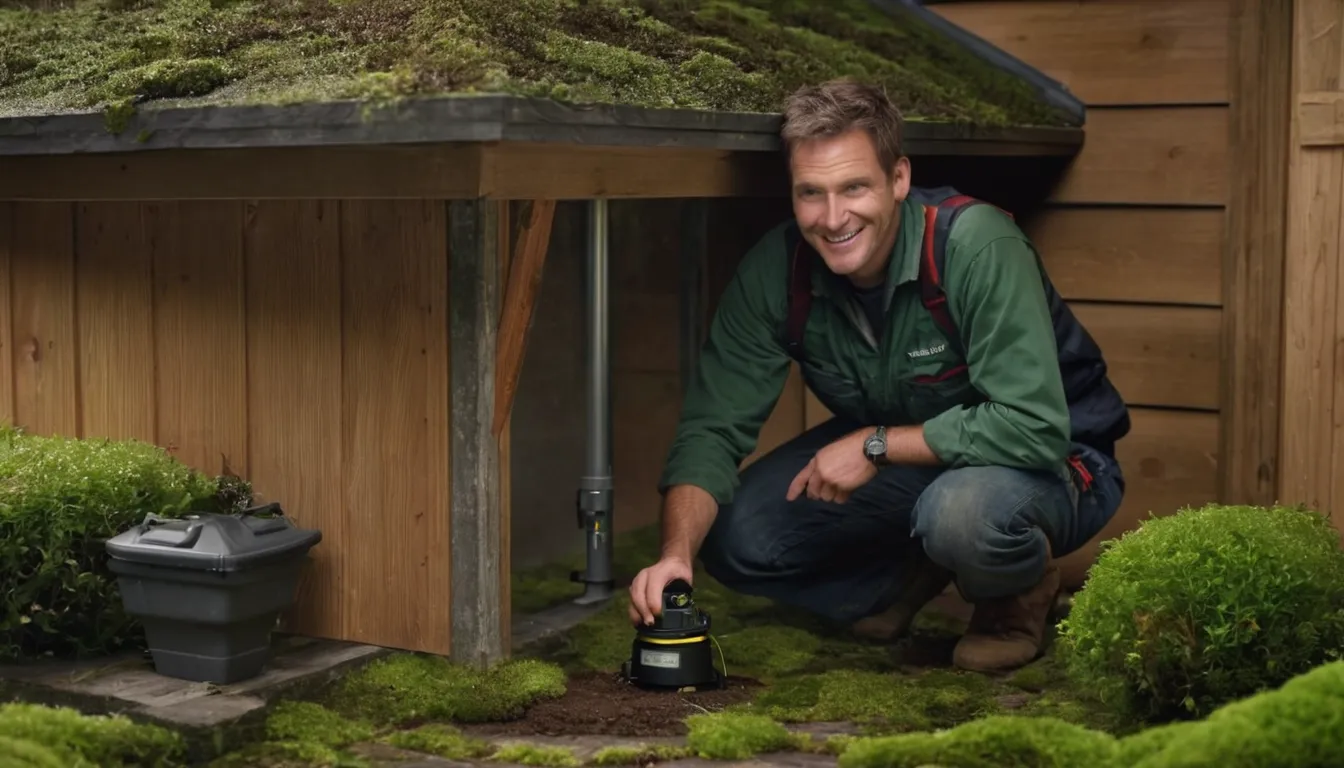
Termites eat the wood that holds your house together, and they do it out of sight. In a wood-frame home with a crawl space, damp soil and a long rainy season, they have plenty to work with. Catching them early keeps repairs small and protects what the house is worth.
Outdoorcheaper Pest Control is a referral service. We do not treat homes ourselves. We explain what you can safely check on your own, then connect you with independent providers in our network who handle inspections and treatment across the Bremerton area. You compare estimates, ask your questions, and decide with no obligation. Seal it, then call: fix the obvious moisture problems first, then let a licensed pro handle the termites.
Grab a flashlight and a screwdriver. Spend ten minutes looking before you do anything else. What you find will tell you how fast to move.
If you see live insects, shed wings, or mud tubes on the foundation, plan on a professional inspection. Termite colonies are hard to wipe out with store-bought products.
Don't spray the nest area with household insecticide. Don't tear out wood before a pro sees it. Both can scatter the colony, and the evidence you need for a diagnosis disappears.
Termites work quietly, non-stop, inside walls, subfloors and framing. The damage is rarely loud until it is expensive. Joists, sill plates and window framing are common targets.
A small, treated problem is a repair note. A long-running one can mean structural work, and that shows up in an appraisal. Protect the house now and you protect its resale value later.
Pencil-width tunnels of dirt on foundation walls, piers or crawl space posts. Break one open. Fresh, damp tunnels with insects inside suggest an active colony.
Piles of small, equal-sized wings near windowsills often mean a swarm happened indoors. Tiny pellets that look like sawdust or coffee grounds point to drywood termites.
Press a screwdriver tip into suspect wood. If it sinks in easily, or paint bubbles over a spot, something is eating or soaking the material underneath.
Long rainy seasons keep soil and wood damp. Look at the crawl space vents, downspouts that dump against the foundation, deck posts, and any siding touching the ground. Moss and constant dampness invite termites, and older craftsman houses often have untreated wood close to soil.
Townhomes share walls, so a neighbor's problem can become yours. Mention that to any provider you talk with.
These live in soil and travel up through mud tubes. They need moisture and are a common type in damp regions. Treatment usually focuses on the soil around the foundation.
Drywood termites live inside the wood itself and leave pellets. Dampwood termites prefer wet, decaying timber. Each type calls for a different approach, which is why a proper identification matters.
A provider checks the foundation, crawl space, attic and framing, then explains what they found. Ask to see the evidence.
Liquid treatments create a treated zone in the soil around the structure. Bait stations sit in the ground and let foraging termites carry material back to the colony. Some providers combine both.
Localized wood treatment fits small drywood problems. Whole-structure fumigation is used for widespread infestations. A provider should explain why they recommend one over another.
You can fix the conditions that help termites: gutters, grading, vent screens, leaks and wood-to-soil contact. That's worth doing. Active colonies, though, need professional products and equipment. Seal up the conditions, then reach out to a provider.
Many lenders and buyers ask for a wood-destroying insect report. A clean report supports your price. A documented treatment with repair records also reads well. If the report flags activity, treating it before listing usually keeps negotiations calmer.
Compare, then decide. Get at least two written estimates and line them up side by side.
Be careful with anyone who pressures you to sign on the spot. A reasonable provider lets you think it over.
Keep wood away from soil, point downspouts away from the house, and keep crawl space vents clear. Book follow-up checks as your provider recommends. Keep every report and warranty paper in one folder, since a future buyer may ask for them.
Some homeowner policies may cover sudden damage, but termite damage is often excluded, so check your policy. Providers can often help document damage for a claim.
A provider checks the foundation, crawl space and framing, then explains what they found and where.
Liquid barriers around the foundation help block subterranean termites from reaching your home's wood.
In-ground stations let foraging termites carry material back, aimed at the colony itself.
Localized wood treatment or fumigation can address drywood termites, depending on how far they've spread.
Prices vary by home size, termite type and method. These are typical U.S. ranges, not quotes. Get written estimates from a few providers before you decide.
| Service | Typical range | Notes |
|---|---|---|
| Termite inspection | $75 – $300 | Some providers fold it into treatment cost |
| Liquid soil treatment | $1,200 – $3,000 | Depends on linear feet around the home |
| Bait station system | $1,500 – $3,500 | Often includes monitoring visits |
| Spot treatment (drywood) | $250 – $900 | Suits small, localized activity |
| Whole-structure fumigation | $1,500 – $4,000 | Size of home and access matter |
| Annual renewal or monitoring | $100 – $400 | Check what the plan actually covers |
Check wood, foundations and crawl spaces, and take clear photos of anything suspicious.
Tell us about the signs you found and we'll connect you with providers.
Line up methods, scope, repairs and warranty terms from each written quote.
Pick a provider, then keep moisture down and records filed.
Treated, documented termite problems keep appraisals steadier and make future sales less stressful.
Request estimates from providers in our network and weigh methods, scope and warranties side by side.
We say plainly what you can do yourself and when a pro is smarter.
Ask questions, take your time, and decide when you're ready.
Send a quick request through the form, or Request a callback to check provider availability. Tell us what you found, and a local provider in our network can follow up with next steps.
No obligationUsually not. Store-bought sprays kill the insects you see, not the colony hidden in soil or framing. You can fix moisture and wood contact yourself, but active termites call for a professional inspection and treatment.
Active signs include fresh mud tubes, live insects, new wings or fresh pellets. Old damage looks dry and dusty. It's hard to tell by eye, so a provider's inspection gives a more reliable answer.
Often not. Many policies exclude termite damage as preventable maintenance. Some may cover sudden damage, so check your policy. Providers can often help document damage for a claim.
Send a quick request through the form, or Request a callback to check provider availability. Tell us what you found, and a local provider in our network can follow up with next steps.
No obligation