Need rodent and wildlife removal in Bremerton?
Send a quick request through the form, or Request a callback to check provider availability. Tell us what you found, and a local provider in our network can follow up with next steps.
No obligation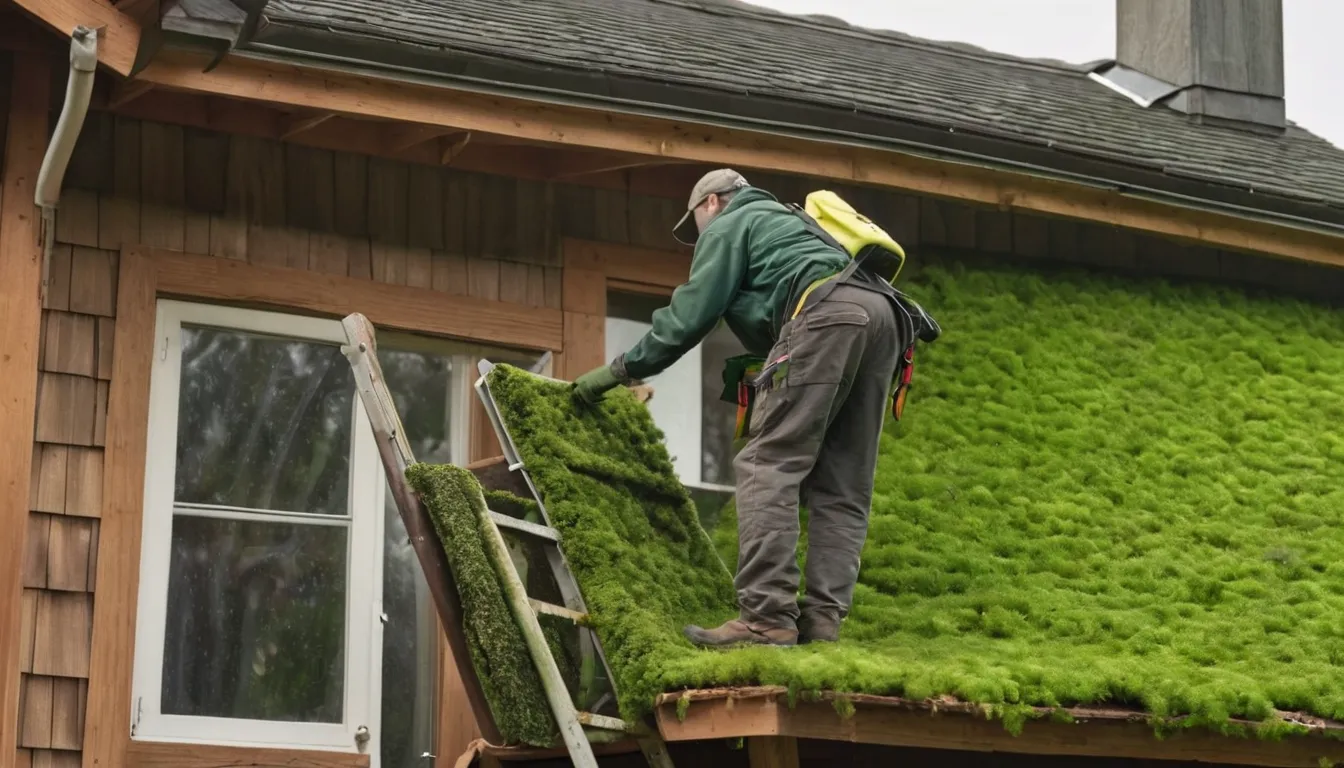
Mice, rats, squirrels, raccoons and bats all want the same thing: a warm, dry spot with easy access. In the Bremerton area, a long wet season pushes them toward attics, crawl spaces and wall voids. They chew wiring, soak insulation and leave messes that can hurt a home's value if nobody deals with them.
Outdoorcheaper Pest Control is a referral service. We do not trap, remove or repair anything ourselves. We connect you with independent local providers in our network who handle rodent and wildlife removal. You can compare estimates, ask questions about methods and decide with no obligation. This page walks you through what to check, what you can safely do on your own, and when it makes sense to stop and call a pro.
Scratching at night. Thumping above the ceiling. A musty smell near a vent. Before you reach for a trap, figure out what you are dealing with. A mouse and a raccoon need very different plans.
If you typed "exterminator near me" while listening to the ceiling, you are in the right place. Some animal jobs sit outside standard residential pest control, so it helps to know which kind of provider fits.
Mice breed fast. Squirrels and raccoons tear insulation and rip into soffits. Chewed wires are a real fire risk. Wet insulation grows mold and stains ceilings. A small problem you ignore can become a repair bill that shows up in a home inspection later. Protect the house by acting early.
Grab a flashlight, gloves and a mask. Walk the attic edge, the crawl space and the garage. Look, do not poke.
Small, rice-sized droppings point to mice. Larger ones suggest rats or other animals. Dark greasy smudges along baseboards and beams show regular travel routes.
Night scratching often means rodents, flying squirrels or raccoons. Daytime thumping is more typical of squirrels. Chirping or squeaking in spring can mean babies.
Frayed cable, shredded nesting piles and flattened insulation trails tell you animals have settled in. Take photos. They help when you compare estimates.
Seal it, then call. Closing an opening with an animal trapped behind it makes things worse.
Stop if you hear babies, see a bat, find a large nest, or spot chewed wiring. Stop if the entry point is on the roofline. Ladders and wildlife do not mix well.
These are the most common. They squeeze through small gaps, nest in walls and follow plumbing lines into crawl spaces.
Both pry open vents and damaged roof edges. Raccoons often claim attics for nesting, which means a mother with young may be inside.
Bats are often protected, so removal has to follow special rules. Opossums usually pass through, but they den under porches and decks.
Most providers follow a similar path. Ask each one to explain their version.
A plan that skips exclusion is a patch, not a fix.
Rules differ by state and city. Some animals are protected, and nesting seasons can limit when removal is allowed. Providers should know the local requirements and explain them in plain words. Ask how they handle live animals and what happens to young ones.
Long rainy stretches mean damp wood, moss on roofs and soft fascia boards. Wood-frame homes, older craftsman houses and crawl spaces give animals plenty of easy entries. After a windstorm, check for lifted flashing, loose vents and fallen limbs against the roofline.
Compare, then decide. Get at least two written estimates if you can. Ask each provider:
A clear, itemized quote beats a vague number. There is no obligation to hire anyone.
A sound, sealed house is harder to invade and easier to sell.
A provider checks the roofline, vents, foundation and crawl space to find how animals get in.
Methods are matched to the animal and season, with attention to humane handling.
Gaps get closed with durable materials so the animals do not return.
Providers can advise on droppings, nesting and damaged insulation that may need replacing.
Prices vary with the animal, how many there are, roof height and how much sealing is needed. These are typical U.S. ranges, not quotes. Always get a written estimate before work starts.
| Service | Typical range | Notes |
|---|---|---|
| Inspection | $100 – $300 | Sometimes credited toward the job |
| Mouse or rat control | $200 – $700 | Often includes repeat visits |
| Squirrel or raccoon removal | $300 – $1,000 | Higher if young are present |
| Bat exclusion | $500 – $3,000 | Depends on size of home and season rules |
| Sealing entry points | $300 – $1,500 | Varies with number and height of gaps |
| Attic cleanup and insulation | $1,000 – $5,000 | Based on square footage and damage |
Walk the attic, crawl space and exterior with a flashlight. Photograph droppings, chewed wires and any gaps you find.
Request a callback to check provider availability, or use the request form to share your photos.
Look at methods, sealing, cleanup and warranty terms side by side before choosing.
The independent provider removes the animals, seals entry points and explains next steps.
Sealed entry points and dry insulation keep damage from showing up at resale.
Review estimates from independent providers, ask questions and choose what fits, with no obligation.
You will see what is safe to try yourself and when a pro is smarter.
Providers in our network understand wet-season wear on wood-frame homes and crawl spaces.
Send a quick request through the form, or Request a callback to check provider availability. Tell us what you found, and a local provider in our network can follow up with next steps.
No obligationCheck the sounds and droppings. Light scratching at night and rice-sized droppings suggest mice. Heavy thumping, torn insulation or loud movement point to squirrels or raccoons. A provider can confirm during an inspection.
Only if you are certain nothing is inside. Sealing an animal in can cause it to chew through walls or die in the structure. Seal it, then call a provider if you are unsure.
Coverage varies. Some policies may cover sudden damage, but many exclude long-term infestation damage. Check your policy, and ask providers to help document the damage with photos and written reports for a claim.
Send a quick request through the form, or Request a callback to check provider availability. Tell us what you found, and a local provider in our network can follow up with next steps.
No obligation